Reaching for something on a high shelf shouldn’t feel like a gamble. If a sharp pinch, a dull ache, or a shoulder that just won’t cooperate has become part of your daily routine, you’re not alone, and you don’t have to just live with it. Physiotherapy for shoulder pain is one of the most common reasons people walk through our doors at Parkway Physiotherapy in Langford, and for good reason: the shoulder is the most mobile joint in your body, which also makes it one of the easiest to injure.
That mobility is a double-edged sword. Your shoulder relies on a small, hardworking team of muscles, tendons, and ligaments to stay stable while letting you move your arm in almost any direction. When one part of that system gets overloaded, whether from a fall on the golf course at Bear Mountain, a long day of gardening, or simply years of sitting hunched over a laptop, pain tends to follow. The good news is that most shoulder pain responds well to the right physiotherapy plan, without needing surgery, injections, or long-term medication.
Let’s walk through what’s likely causing your shoulder pain, how we figure out exactly what’s going on, and what a physiotherapy-based recovery actually looks like.
What Causes Shoulder Pain?
Shoulder pain rarely comes from just one thing. It’s usually a mix of anatomy, habits, and time. Here’s what we see most often in the clinic.
Rotator cuff tendinopathy or tears. Your rotator cuff is a group of four muscles and tendons that wrap around your shoulder joint, keeping it centred and controlled through every movement. Overuse, aging, or a sudden awkward lift can irritate or tear these tendons, leaving you with pain and noticeable weakness when lifting, reaching or lying on your arm.
Shoulder impingement. This happens when the rotator cuff tendons get pinched between the bones of your shoulder during overhead movement. It’s one of the most common causes of shoulder pain we treat, and it often shows up as pain when reaching overhead or lifting your arm out to the side.
Frozen shoulder (adhesive capsulitis). The shoulder capsule tightens up, causing stiffness and pain that can make even simple tasks, like doing up a zipper or reaching for a seatbelt, genuinely difficult. It tends to develop gradually and can stick around for months without the right treatment.
Referred pain from your neck. Your shoulder muscles are largely supplied by the C5 and C6 nerves in your neck, which also happens to be a common spot for age-related wear and tear. That’s why neck and shoulder pain so often show up together, and why we always check your neck when you come in with shoulder symptoms.
Shoulder instability. Some shoulders are simply more mobile than others, often in the front of the joint. This can come from genetics, posture, or repetitive overhead activity like throwing or swimming. A looser joint puts extra strain on the surrounding tissue, which can become a source of ongoing pain.
Injury, overuse, and other conditions. Dislocations, fractures, and falls can cause sudden, severe pain, while repetitive strain from work or sport can lead to conditions like tendinitis over time. Tendinitis left untreated can progress to a more chronic or long term shoulder problem. Conditions such as osteoarthritis or osteoporosis can also play a role, especially as we get older.
How We Diagnose Shoulder Pain
Getting the right diagnosis matters, because treatment for a frozen shoulder looks very different from treatment for an impingement or a shoulder labral tear. When you come in, expect a conversation first: how the pain started, what makes it better or worse, and whether you’re having trouble sleeping on that side (a very common complaint, and a helpful clue).
From there, we’ll move into a physical assessment using specific, evidence-based tests.
If your presentation is more complex or isn’t improving as expected, imaging like an X-ray or ultrasound might be recommended to get a clearer picture of what’s happening inside the joint. Differentiating between conditions such as frozen shoulder and subacromial impingement is essential, since it changes everything about your treatment plan.
Symptoms Worth Paying Attention To
Reach out sooner rather than later if you’re noticing:
- Persistent pain that isn’t settling down
- Difficulty lifting your arm or reaching overhead or behind your back
- Noticeable weakness in your shoulder or arm
- Sharp pain with sudden or unexpected movements
- Stiffness or a shrinking range of motion
- Swelling, bruising, or tenderness around the joint
- Pain that disrupts your sleep
- Numbness, tingling, or pain that travels down your arm
Most of these symptoms respond well to physiotherapy, but a few deserve urgent attention. If you’ve had a significant fall or impact, or you notice sudden severe weakness, a visibly deformed shoulder, or numbness that isn’t improving, please see a doctor or visit urgent care before starting physiotherapy. For everything else, waiting rarely helps. Ignoring shoulder pain can lead to chronic pain, compensation patterns in your neck and back, and a longer road to recovery.
How Physiotherapy for Shoulder Pain Works
Once we know what we’re dealing with, physiotherapy focuses on restoring function and calming your pain, without the downtime of surgery. Your plan will be built around your specific diagnosis, your goals, and your day-to-day life, whether that’s getting back to lifting at work, playing with your kids, or hitting the trails.
A typical physiotherapy approach might include:
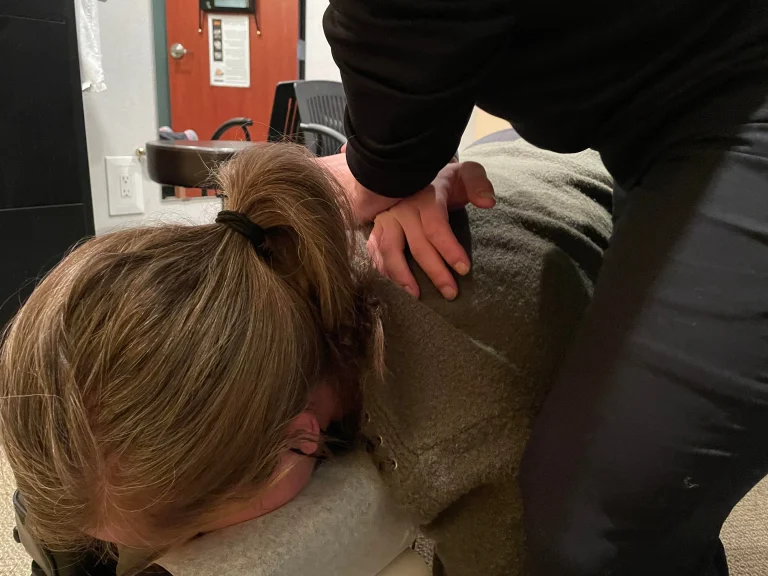
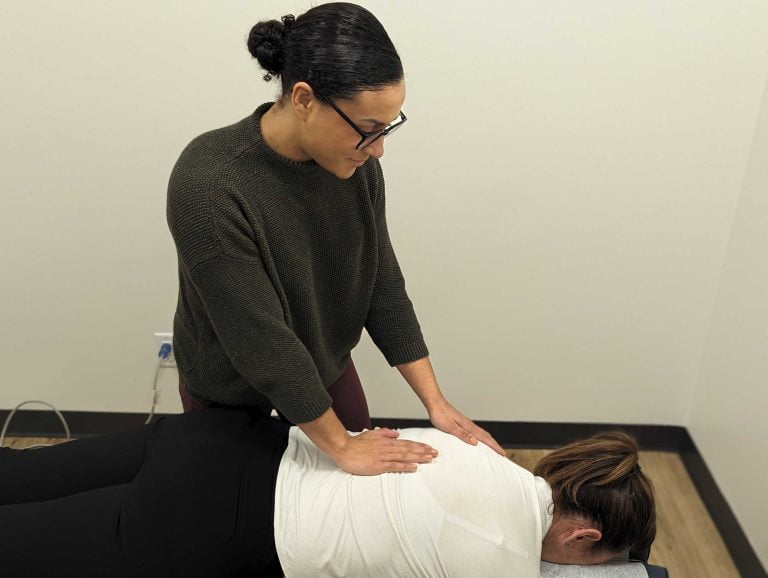
- Manual therapy, including joint mobilizations and soft tissue work, to ease pain and restore movement
- Exercise therapy, the true backbone of shoulder recovery, covering everything from gentle mobility work to progressive strengthening. Loading a muscle or tendon and then allowing for recovery and regeneration leads to functional changes that strengthen the tissue and provide better long term results
- Postural retraining, especially important if long hours at a desk are contributing to your symptoms
- Modalities such as dry needling/IMS to release tight muscle bands and manage pain alongside hands-on treatment and exercise. Shockwave therapy can be another excellent treatment addition for a number of shoulder conditions.
Here’s the honest truth: passive treatments like manual therapy and modalities can take the edge off, but exercise is what actually rebuilds capacity in the tissue. That’s why your home program matters just as much as what happens in the clinic.
Exercises We Commonly Prescribe
These exercises give you a sense of what a shoulder physiotherapy program might include. They’re a starting point for understanding your options, not a personalized prescription. The right exercises, sets, and progression for your shoulder depend entirely on what’s actually causing your pain, so it’s worth getting assessed before diving in.
Stretching and Mobility
- Pendulums: Lean forward, let your affected arm hang, and gently swing it in back and forth or in small circles, gradually increasing the amount of movement as tolerated.
- Passive arm lifts: Use your unaffected arm to help lift your affected arm overhead as far as is comfortable, without forcing it.
- Cross-body stretch: Bring your affected arm across your chest and gently hold it with your other arm.
- Doorway stretch: Stand in a doorway with your arms on the frame and lean forward gently to open up the front of your chest and shoulder.
Strengthening and Endurance
- Isometric holds: Press your hand against a wall with your elbow bent at 90 degrees, hold, then release.
- External rotation with a band: Keep your elbow tucked at your side and rotate your forearm outward against light resistance.
- Band rows: Pull a resistance band toward your body, squeezing your shoulder blades together to build the muscles that support good posture.
Function and Stability
- Wall push-ups: A gentler entry point than a full push-up, these engage your whole shoulder girdle while you build strength.
- Wall walks: Slowly walk your fingers up a wall to gradually regain overhead range of motion.
Treatment Timelines: What to Expect at Each Stage
Shoulder pain doesn’t follow one script, so treatment shifts depending on where you are in your recovery.
Acute pain. In the first days after an injury or flare-up, the priority is calming things down. That often means ice, gentle movement within a pain-free range, and avoiding the specific motions that aggravate your symptoms, without shutting your shoulder down completely.
Chronic pain. For pain that’s stuck around for weeks or months, education and a gradual return to loading become the focus. You’ll work on mobility and stability while building your understanding of what’s driving your symptoms, which tends to reduce fear around movement and speed up progress.
Post-injury recovery. After a dislocation, sprain, or tear, rehab typically starts gently and becomes more active as healing allows, always aiming to restore full range of motion while avoiding compensation patterns that can cause problems elsewhere.
Post-surgical recovery. If you’ve had rotator cuff repair or another shoulder surgery, your program follows a structured, phased approach set by your surgeon’s protocol, balancing protection of the repair with a steady return of motion and strength.
Sport-specific rehab. Athletes need more than pain relief; they need their shoulder to hold up under the specific demands of their sport. That means a rehab plan that progresses toward those exact movements, not just general strengthening.
Whichever stage you’re in, consistency with your exercises and appointments has more influence on your outcome than almost anything else.
Preventing Shoulder Pain in Langford
Physiotherapy isn’t only about fixing pain once it shows up. A good chunk of what we do is helping you avoid a repeat trip to the clinic.
- Warm up before activity, whether that’s a round of golf at Bear Mountain, a mountain bike ride, or a weekend on the Galloping Goose Trail.
- Mind your posture, especially if your day involves long stretches at a desk or behind the wheel.
- Build shoulder and shoulder-blade strength proactively, rather than waiting for pain to force the issue.
- Progress gradually with new activities or increased weights, rather than jumping in at full intensity.
- Listen to early warning signs, like a shoulder that feels achy after activity but hasn’t become a full-blown problem yet. That’s usually the easiest time to fix it.
Your Next Step
Shoulder pain can feel discouraging, especially when it starts interfering with things you used to do without a second thought. But here’s the encouraging part: with the right diagnosis and a personalized physiotherapy plan, most people see real, lasting improvement. Recovery isn’t always a straight line, and patience matters, but staying consistent with your treatment and home exercises puts the odds firmly in your favour.
If shoulder pain has been slowing you down, the team at Parkway Physiotherapy in Langford is here to help you figure out what’s going on and build a plan to fix it. Reach out to book an assessment, and let’s get your shoulder moving the way it’s supposed to.
For further reading, PMC and Physiopedia both offer detailed, evidence-based overviews of physiotherapy interventions for shoulder pain.