Managing Spasticity: Stretching, Strengthening, and Positioning
Spasticity is a complex neurological symptom that alters how muscles interact with the nervous system. Frequently arising after a stroke, brain…

Check out Parkway’s latest articles about physiotherapy, injury prevention and management, and the benefits of physiotherapy.
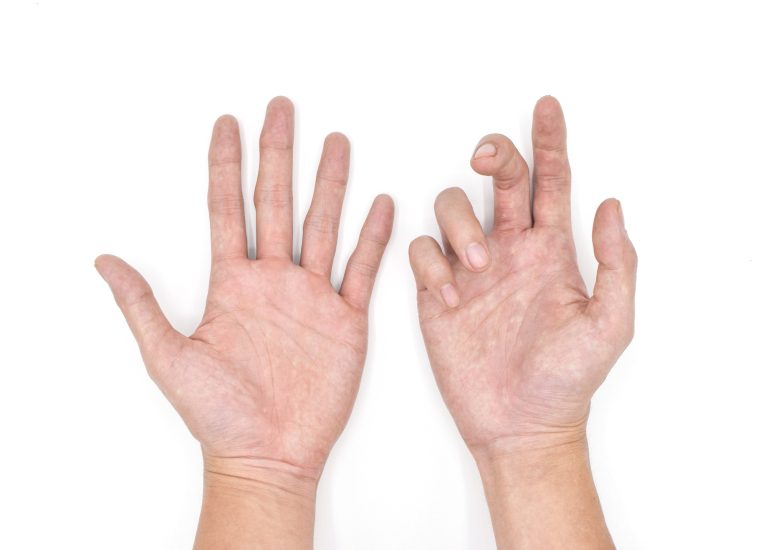
Spasticity is a complex neurological symptom that alters how muscles interact with the nervous system. Frequently arising after a stroke, brain…

Moving With Greater Confidence Parkinson’s disease can affect movement in many different ways. Some people notice stiffness, slower movements, shorter steps…

The idea that the brain can rebuild itself after a stroke once sounded impossible. Today, it is one of the most…
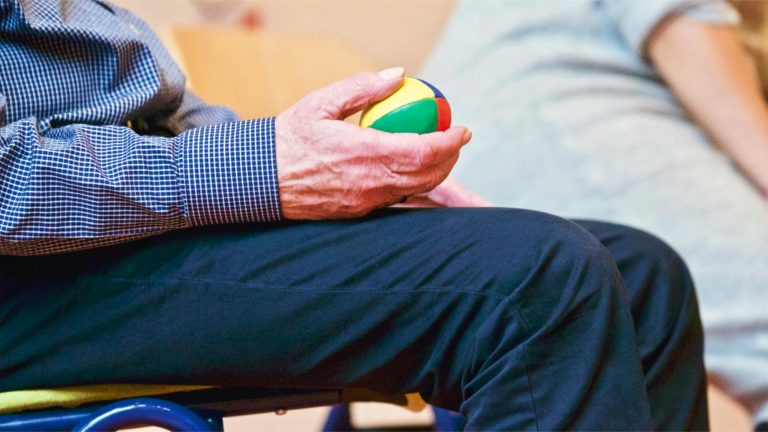
Parkinson’s disease is a progressive neurological disorder that primarily affects the brain’s ability to produce dopamine. Dopamine is the chemical messenger…

Lifting your arm to grab something from the cupboard shouldn’t feel like a negotiation. Neither should rolling onto your shoulder at…
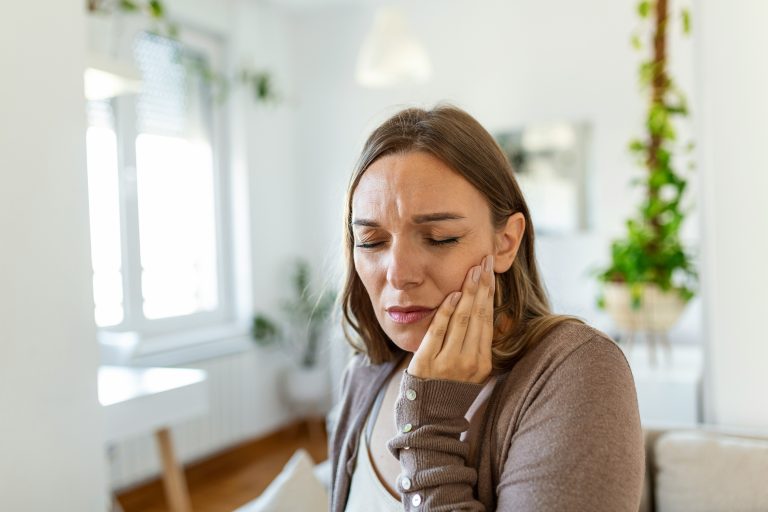
Jaw pain is more than just an inconvenience; it can be a persistent, debilitating condition that impacts everything from eating and…

Rachel Rubin-Sarganis MScPT | Physiotherapist | Parkway Physiotherapy Tuscany Village What Are Growth Plates? Growth plates are cartilage zones at the…
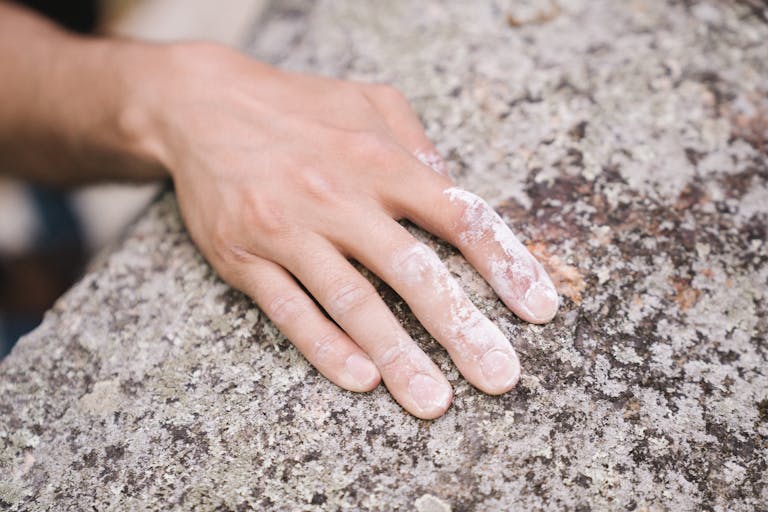
Rachel Rubin-Sarganis MScPT | Physiotherapist | Parkway Physiotherapy Tuscany Village What Are Lumbrical Muscles? Each hand contains four lumbrical muscles, located…

Rachel Rubin-Sarganis MScPT | Physiotherapist | Parkway Physiotherapy Tuscany Village What Is the TFCC? The Triangular Fibrocartilage Complex (TFCC) is a…
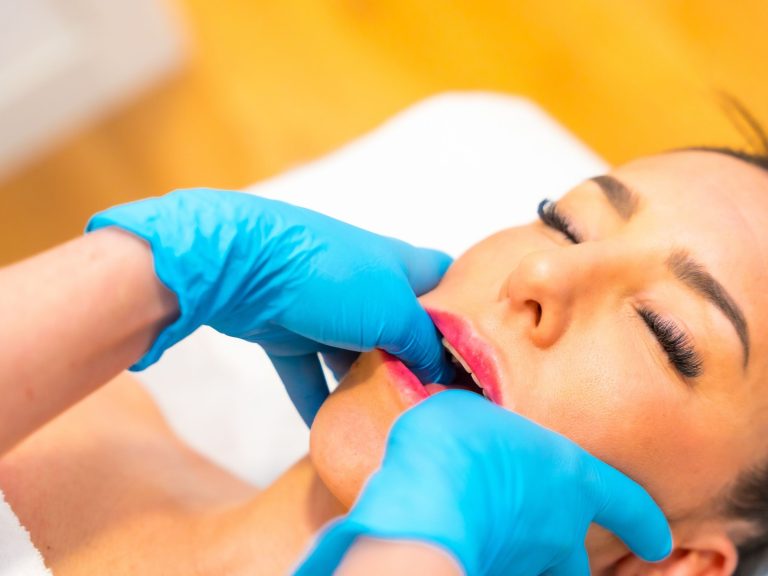
That unsettling click, pop, or even a sudden “lock” in your jaw can be alarming. These symptoms are often signs of…